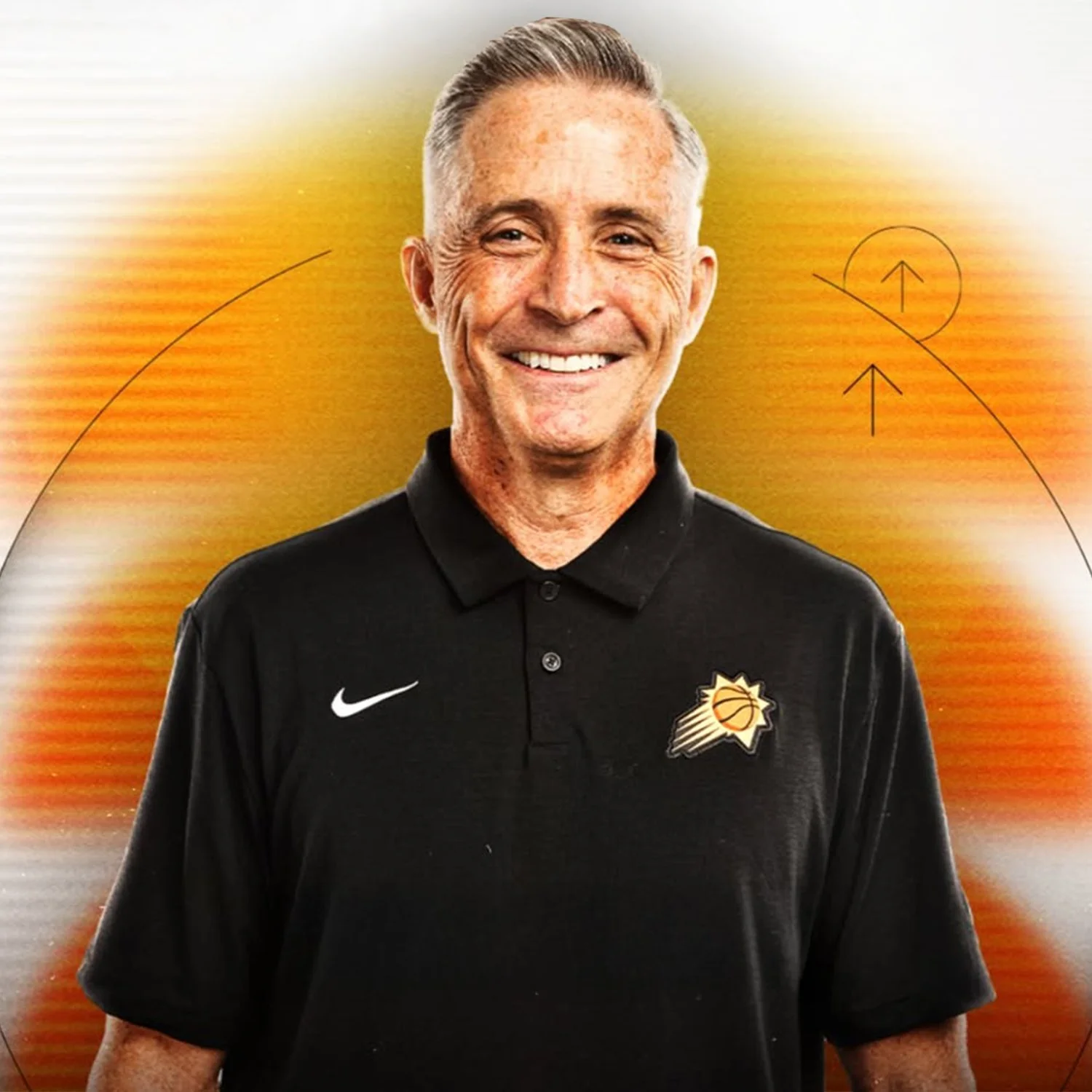
With more than three decades immersed in the game of basketball, Brian Gregory’s career has been defined not just by wins and championships, but by an enduring commitment to people, culture, and growth. Named General Manager of the Phoenix Suns in May 2025, Gregory steps into the role bringing with him a rare blend of collegiate coaching success and NBA executive experience. From NCAA tournament runs and championship teams to shaping modern player development systems, his path reflects a steady evolution rooted in leadership, discipline, and care.
At its core, the Lakeside Entertainment Blog highlights the personal and professional journeys that shape great leaders across sports, the arts, and business—and Gregory’s story is a powerful example of how purpose-driven leadership can create lasting impact beyond the scoreboard. In this conversation, he reflects on the influences that shaped his coaching philosophy, the lessons learned from leading under pressure at every level of the game, and what success means to him today, offering insights that resonate far beyond basketball.
You’ve built a remarkable career across both college basketball and now the NBA. What first drew you into coaching and leadership in the sport?
Obviously, I have always had a great love for the game of basketball, but what really drove me to get into coaching and to take a leadership role in this sport is the impact my parents had on me. My father was a junior high school principal, and my mother was a counselor who worked with young women who were addicted to crack cocaine and who were also pregnant, and her job was to help clean them and try to have a healthy baby and help them change their lives. So I’ve seen my parents, in their professional careers, be dedicated to improving other people's lives and helping other people achieve their goals. I want to do the same thing, and the avenue that I chose was the avenue of basketball.
Your time at Dayton was hugely successful, with multiple NCAA Tournament runs. Looking back, what made those teams so special, and what lessons did you take from that chapter of your career?
The teams at Dayton and the success that they had were so fun to be around due to the fact that most of those players were under-recruited and under-the-radar type of athletes. They came to Dayton with a huge chip on their shoulder. We created a system and organization that allowed those guys to become their very best. Our success was based less on talent and more on camaraderie and the connection and the toughness each of those players played with and how they played collectively. Dayton is such a special place due to the fact that its basketball program is so important to the community. It was special teams and a special place, and I cherish my time there.
You’ve led teams in highly competitive settings, including your time in the ACC at Georgia Tech. What did those experiences teach you about leading under pressure and helping players perform at their best?
I feel very fortunate to have coached in the ACC during one of the greatest stretches of success for that league, competing night in and night out with Hall of Fame coaches like Mike Krzyzewski, Roy Williams, Rick Pitino, and Jim Boeheim. It really tests your will and tests your ability to get your team ready to compete at the highest level. Challenging our guys to understand who they're playing against and how disciplined they need to be in a day-in-and-day-out situation was great for me as a coach, and I think it taught our players the ability to bounce back and be resilient — not to get too high if we have a great win, and at the same time, their ability to prepare to perform at their very best.
Every coach faces tough moments. Can you share a time when things didn’t go as planned, and how you handled it?
Every coach does face tough moments, and if you coach 32 years like I did — 19 as a head coach — you're going to have your share of those. Things don't go your way in a tough loss, a tough season, or in my case, where you lose your job and you have to move on to the next challenge. I've always felt that if you do your best, you do things the right way, you put the players first in everything that you do, and it doesn't work out, you can leave holding your head high. And everything you do — nothing is wasted. Every situation you go through is part of a greater plan, and you have to put yourself in a position to learn from it. Sometimes it's successful, and sometimes it's not. And the biggest thing is to stay strong, stay courageous, and keep moving forward.
When you walk into a new locker room or organization, what’s the first thing you focus on in building culture?
My number one thing when I walk into a new locker room or a new boardroom and we're talking about a change in leadership and therefore an alteration in the culture of the organization — the number one foundational piece that I hit on and focus on is the care factor. Your culture is the people within the organization. They make up the culture. And if they don't believe that you care about them, and if they don't create a care factor amongst each other, nothing is going to be able to sustain the challenges and adversity that's around the corner. We can talk about all the other things that go into the culture, but the number one thing is: Do you care? Do you care for each other? Do you care for the people underneath you on your team? Do the people underneath you care for the people above them on your team? Building culture is about people and relationships, and nothing is more important than the care factor.
You’ve worked alongside some incredible basketball minds. Who have been your biggest mentors, and what lessons have stayed with you?
I feel very fortunate to have worked under some great coaches — great people — who have shaped my coaching philosophy and my philosophy when it comes to leadership, and each and every one of those have impacted me. At the same time, obviously the greatest one was Tom Izzo, the head coach at Michigan State. How he goes about his daily business, how he treats his players, how he treats his staff, the intensity that he attacks every day with, the simple fact that he's never satisfied and always pushing himself — I learned a lot about the game, but more about people from Coach Izzo.
What’s the most rewarding part of watching a player grow under your coaching?
In both college basketball and pro basketball, every player's number one goal is to become the very best player that they can become. As a coach, or in a leadership role as a general manager, our job is to create an environment, both physical and mental, to help them become their very best. So when you see a player reach that level — where he becomes the best player that he can be, where he has success beyond what he thought was capable — you feel good not only about the job that you're doing, but the understanding that you've helped someone completely change their life. And it puts them and their families in a much different situation than when you started with that particular player. I always say it's the lessons that they learn during that process that are going to help them become the man, husband, father, son, brother that we all want them to be. So it's very, very rewarding when you see someone grow and develop and achieve all of their goals.
You’ve had success at every stage of your career. What does “success” mean to you now?
Success, to me, still always goes back to why I got into coaching and why I wanted to become a leader of an organization from the very beginning. If I am impacting other people's lives — both those that work with me and those that I'm leading — then I am being successful. I truly believe that if you are doing that, if there's a competitive situation where wins and losses are counted, that you will have success in the win-loss column as well. I never lose sight that the win-loss of games occurs during a 40- or 48-minute time slot, but the impact can last a lifetime.
What have you learned about leading under pressure, whether it’s in a tight game or during a tough season?
The great thing about pressure is that it brings out the very best in you and at the same time exposes you if you haven't prepared for it. Pressure games, pressure situations — it doesn't really matter. If you're not prepared for that, you have no chance at all. You can't control when that pressure situation occurs, but you can control your daily discipline to put yourself in a position to be successful when the pressure does occur. I always try to control what I can control, and that would be my preparation and the daily habits leading into those types of situations.
If you could give one piece of advice to a young coach or player starting out today, what would it be?
The biggest piece of advice that I would give young coaches or players today is actually twofold. Number one, you have to be courageous. Everything that you're looking to do, everything that you want to achieve, every impact that you want to make is going to take a courageous step. And so many times guys are afraid to do that — either stand up for what they know is right, lead the right way, play the right way — and it takes courage to do that. And I think courage is lacking in this day and age. The second thing is — and it goes along with that — you’ve got to be willing to take risks. When I say risks, I mean with wisdom and knowledge, not reckless risks. But if you go out and try to get something done and it's risky and you add courage to it, even if you fail, you've learned something that's going to help you the next time around.
Looking ahead, what excites you most about your role with the Phoenix Suns and the season ahead?
I'm excited about what we're building here in Phoenix. We obviously made a pivot this past summer and changed our direction and changed the foundational factors that we were going to build upon, and we really believe in them. And we have an alignment from the owner to myself as the general manager, to the head coach, and to the players. I think the second thing that excites me is we're putting people in a position where they can be successful. There's no doubt that we're going to be truthful with people. We're going to drive them to become their very best. And if that's what either a player, a coach, someone in the front office, someone in operations — if that's what they're looking for — then we're going to create an environment where they can become their very best. And we're going to have an environment that, as you become your very best, you're having fun and enjoying what you do, and you're filled with joy on a daily basis. I'm excited about what the future holds because we have a good plan in place and we’ve got the right people in place.