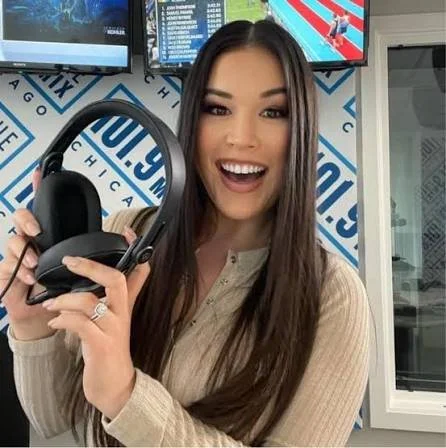
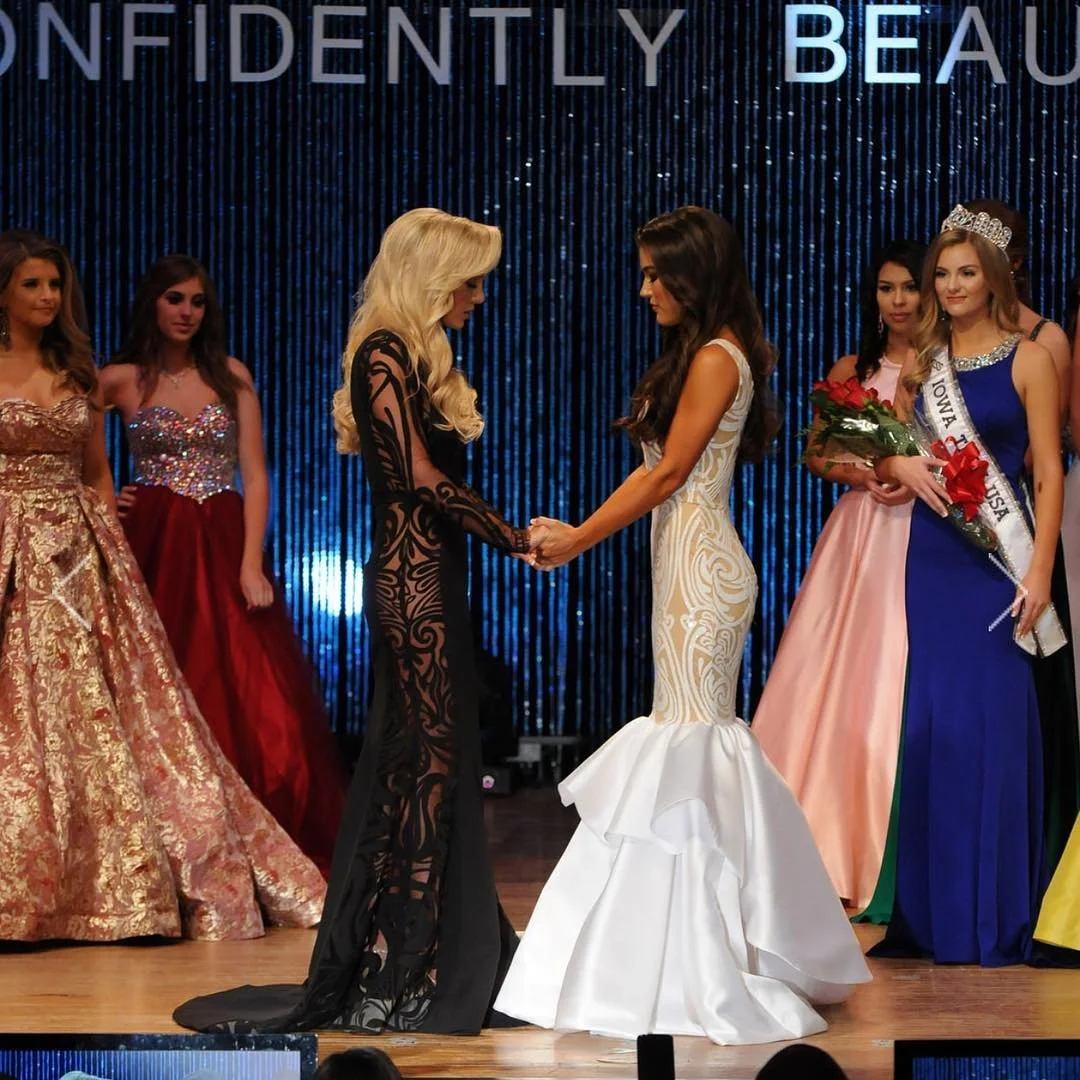
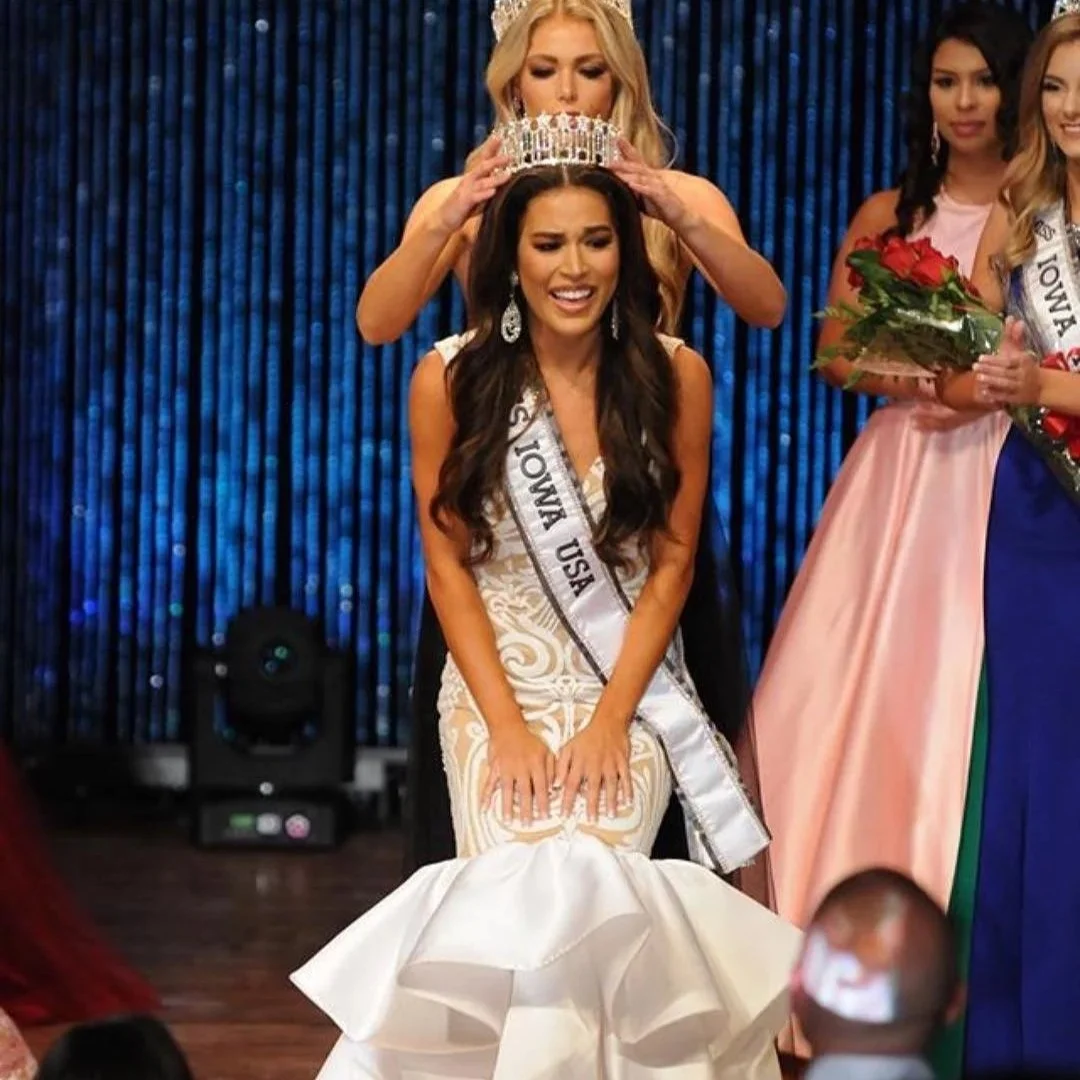
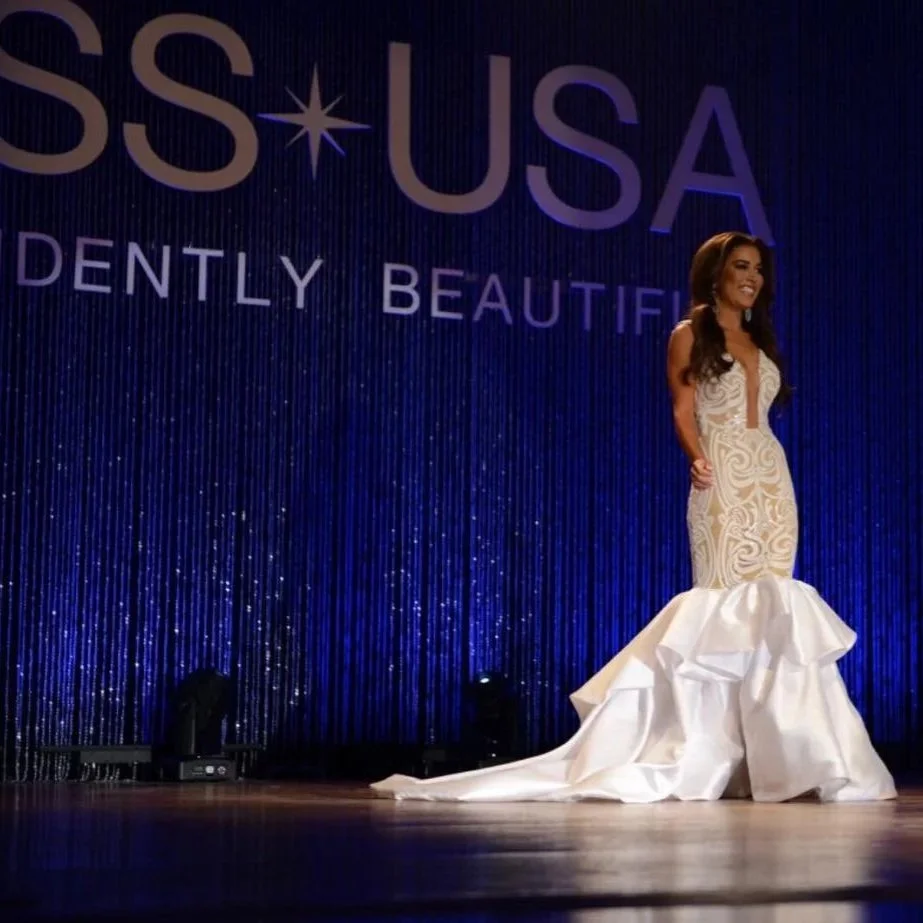
Jenny V’s radio career started with an internship at Z102.9 in Cedar Rapids, Iowa, in 2012. By 2018 she was a Program Director. Along the way she worked in nearly every department of the station, and she was also crowned Miss Iowa USA, making two to three appearances a week while staying up late to finish music logs.
Then she was offered a job at WTMX in Chicago. She and her husband had just bought a house in Cedar Rapids, and she had a strong future there. She took the job anyway, giving up her seniority to start over in the market she’d dreamed about since her first day in radio.
Today Jenny helps shape what Chicago hears. She goes to shows, big and small, looking for the next standout performer, and she saw Chappell Roan at the House of Blues before most people knew her name. Off the air, you’ll find her at Wrigley Field, biking along the lakefront with her husband, Aaron, or walking their miniature pinscher, Bebe. She also volunteers with Big Brothers Big Sisters to support kids facing adversity.
We talked with Jenny about starting over, leading a team, what radio still does better than the algorithm, and why she now measures success by the people she helps.
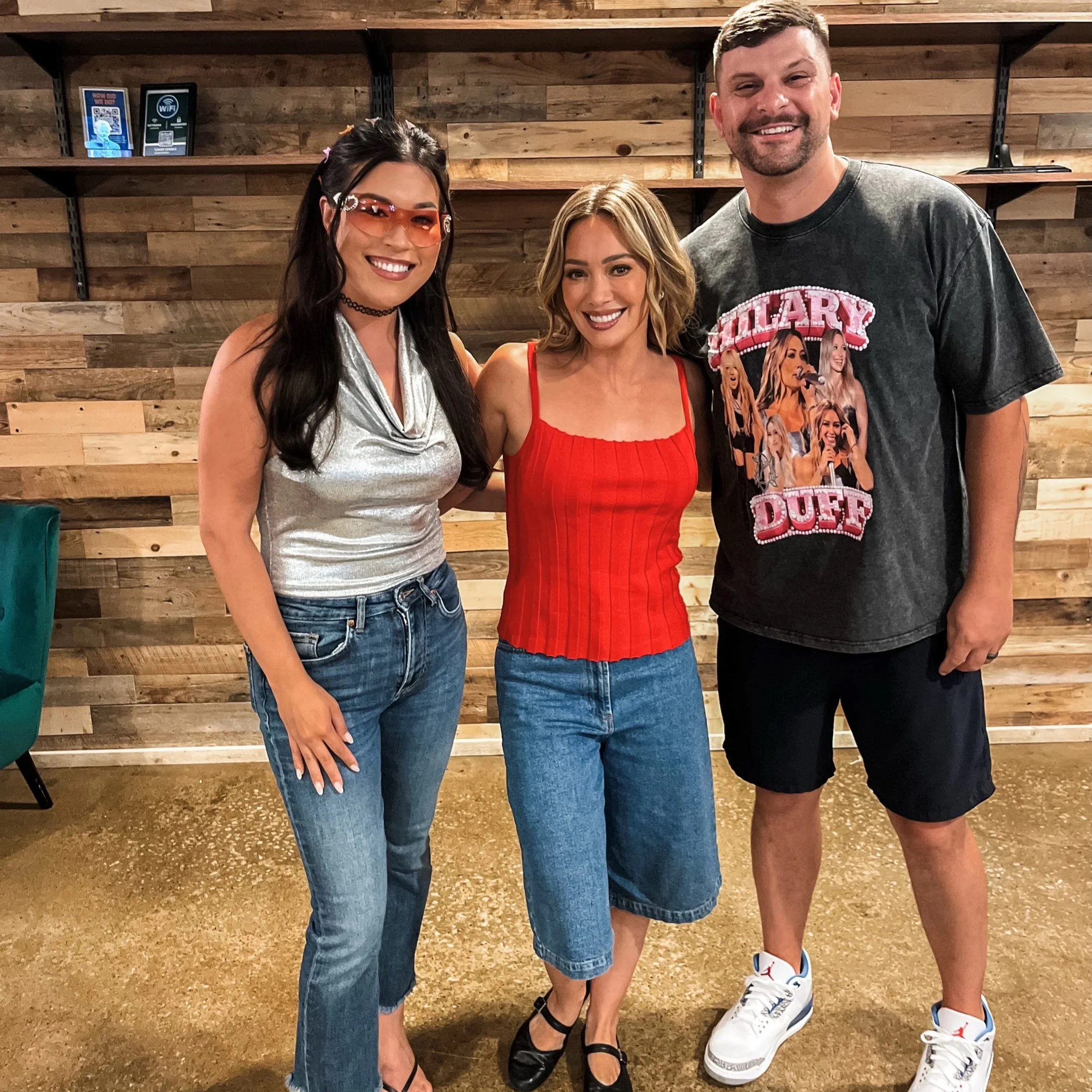
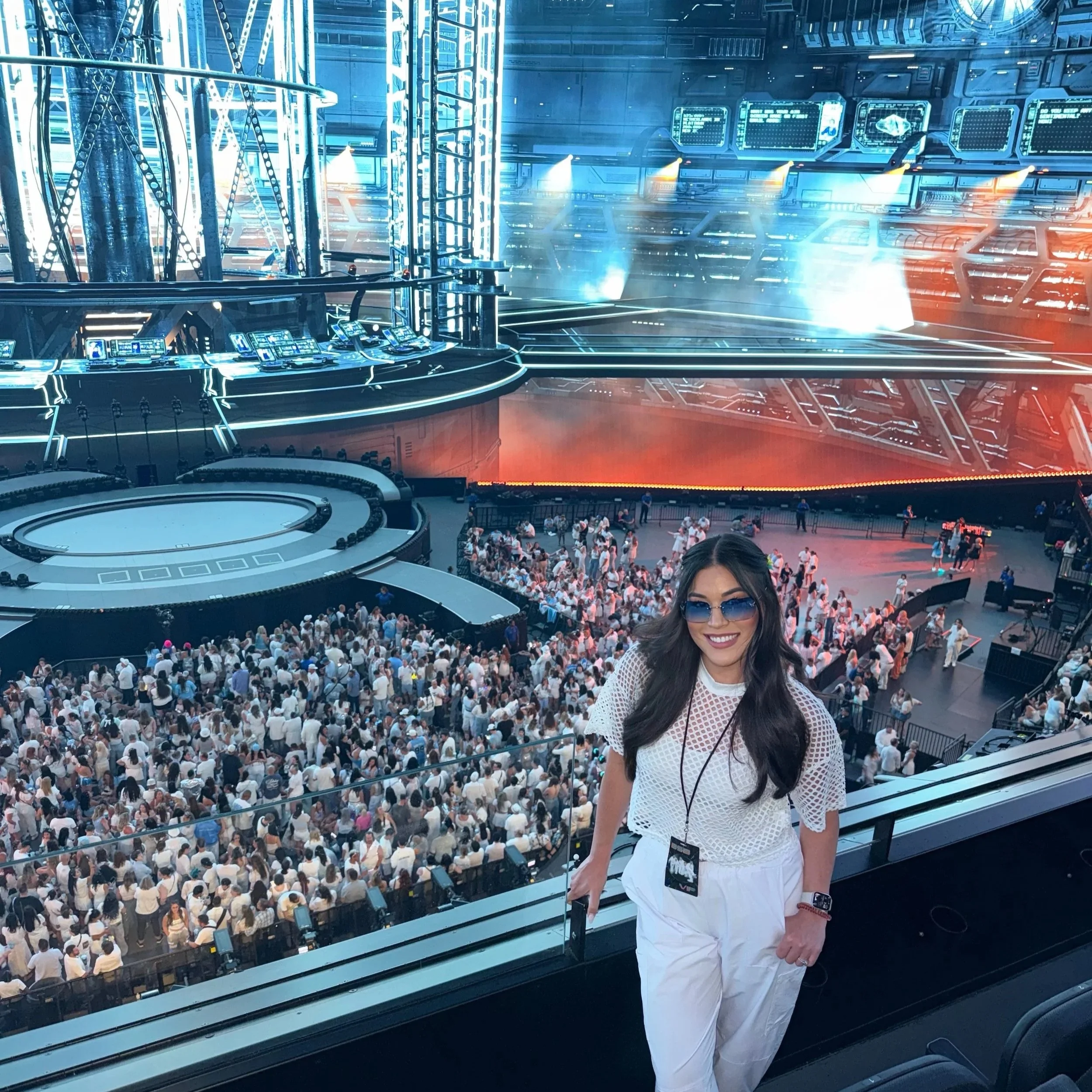
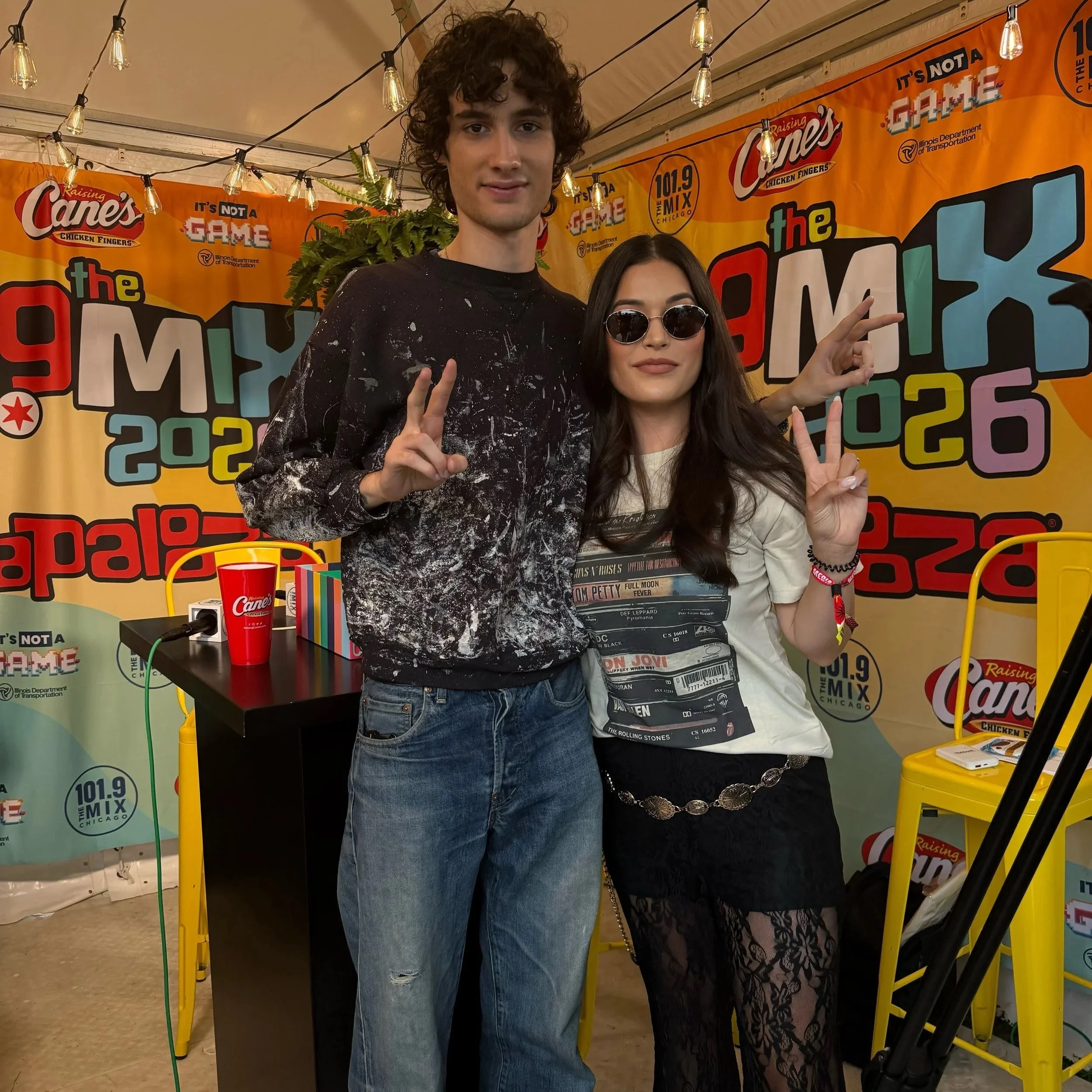
all photos below courtesy of @jennyvonair
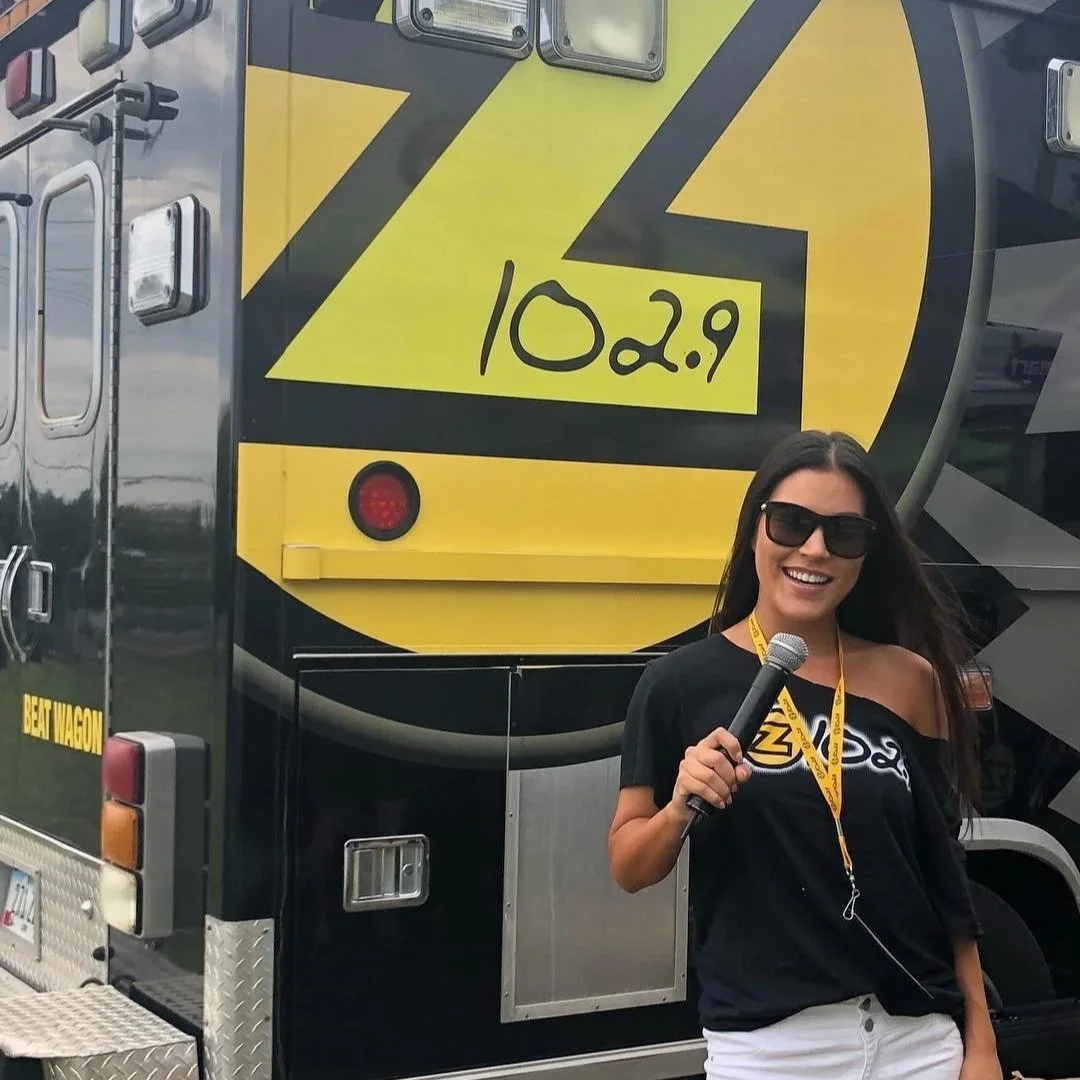
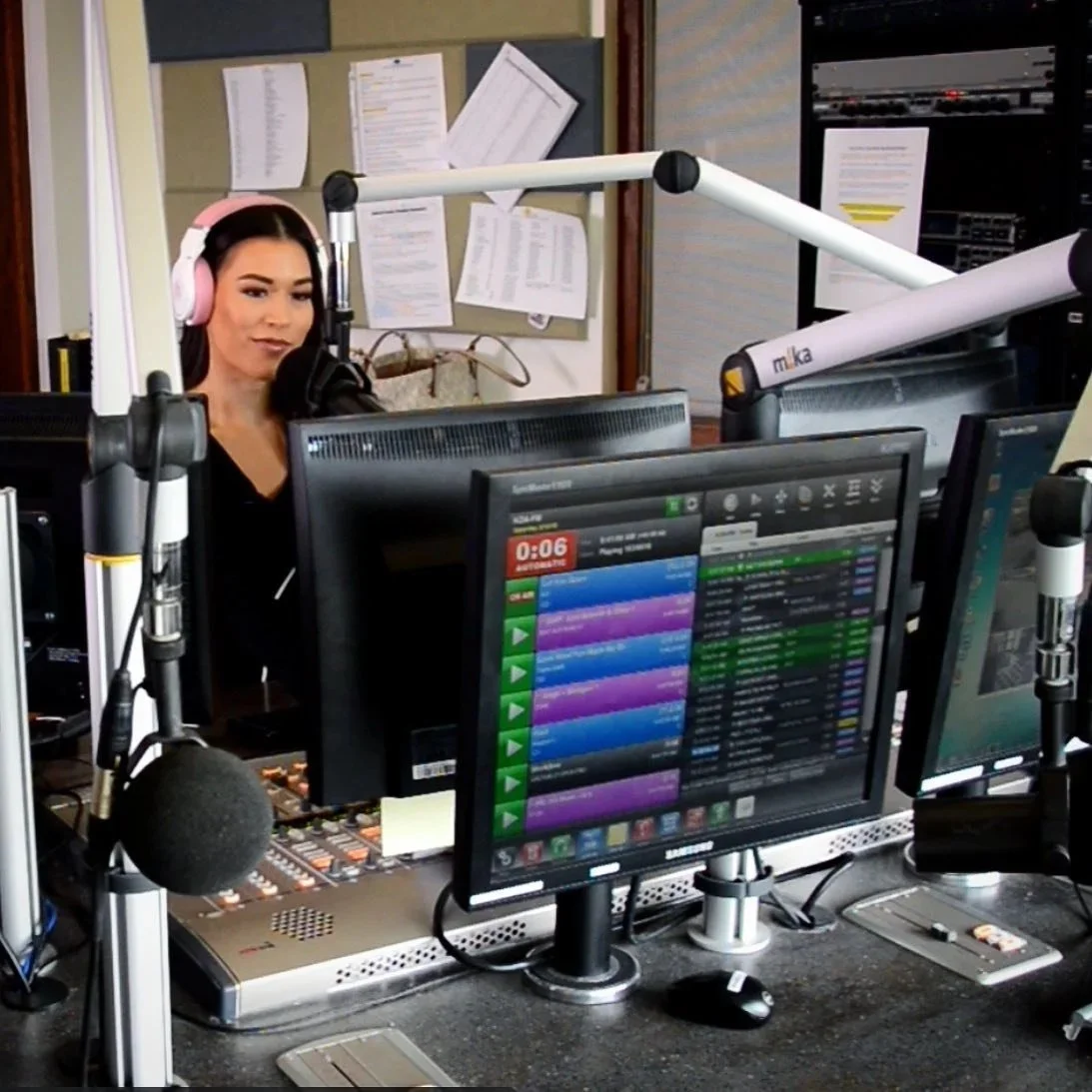
You started as an intern at Z102.9 in Cedar Rapids in 2012 and worked your way up to Program Director by 2018. What did that nine-year climb teach you that you couldn't have learned any other way?
It taught me the ins and outs of radio from the ground up. Over those nine years, I had the opportunity to work in nearly every department, which gave me a much deeper understanding of how all the different pieces of a radio station work together. That experience was incredibly valuable when I became a Program Director because I understood not only omy own role, but also how my decisions impacted other areas. Most importantly, the climb taught me to appreciate every role and gave me a perspective that ultimately made me a more well-rounded programmer and leader.
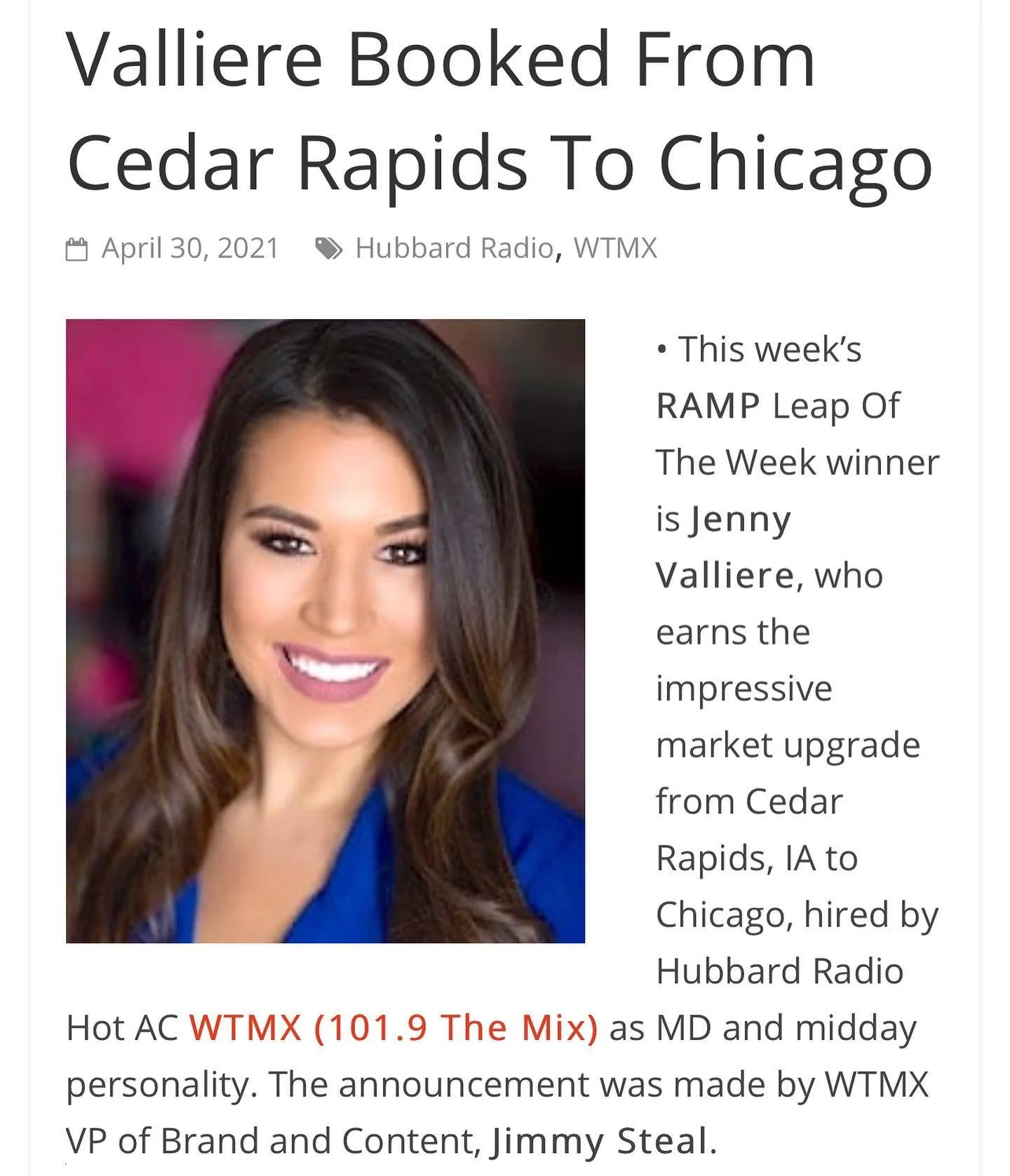
You've said working in the Chicago market was something you'd dreamed of since you started in radio. What did it feel like when that call from Jimmy Steal actually came?
It was an extremely surreal moment, and I felt a lot of gratitude. I knew Jimmy could have hired someone who already had major market experience, so I had a lot of respect for him. Instead of taking what might have been the “easier route,” he saw the potential in me to develop into a major market personality and ultimately change my life. I also have to give credit to Greg Strassell, Hubbard’s EVP of Programming, for scouting me and introducing me to Jimmy.
You've had some unexpected chapters along the way, including being Miss Iowa USA while building your radio career. How did that experience challenge or change the way you saw yourself?
Holding a title like Miss Iowa USA while maintaining a full-time radio career really forced me to balance my schedule and manage my time. I made 2-3 appearances a week for Miss Iowa USA while also helping program the radio station and stayed up late most nights to finish music logs. More than anything, that experience taught me that you don’t necessarily have to choose between your passions. I wanted to challenge myself to do both, and I realized I was capable of a lot more than I thought. I started seeing myself as unstoppable. It gave me so much confidence and motivation to go after whatever goal I set my mind to, and that mindset has stayed with me throughout my career.
Moving from being an on-air personality into programming and leadership requires a very different skill set. What did you have to learn about leading people that you couldn't have learned simply by being good on the air?
When I was solely an on-air personality, I was focused on improving myself and my show. When I became a leader, my mindset had to shift to putting everyone else before myself. My former boss always used to say, “Build a team of people who would kill for you.” The most effective way I learned to build a great team and earn my staff’s trust was to really understand the people I was leading. Radio has so many different personality types, and the way you communicate with or motivate one person might not work with someone else. As a leader, I learned how to meet people where they are and figure out how to bring out the best in them.
What's a programming decision you made that you were nervous about, but turned out to be exactly right?
I wouldn’t say there was any one huge programming decision that stands out, but it can be nerve-wracking in music meetings to stick your neck out for a song, and it doesn’t end up working. But that’s also what makes music meetings so fun for people who are passionate about music. Sometimes you’re completely wrong and sometimes you’re right! There’s something really rewarding about taking that chance, trusting your instincts, and seeing a song you fought for take off. And of course, it feels a lot better when you’re right, haha!
What's a mistake, setback, or piece of difficult feedback that ultimately made you better at what you do?
Understanding that not everyone is going to approach their job the same way I do. I’m extremely passionate about my career and naturally very Type A, so I’ve had to learn not to get frustrated when things don’t get finished the way I expect them to. In radio, when you’re working with all kinds of personalities and work styles, I’ve tried to focus more on the things I can control.
You've spent years deciding what music and artists deserve a bigger audience. What makes you stop and pay attention to an artist today, and has that changed from when you first started in radio?
I pay attention to who people are talking about and what they’re responding to. That’s definitely changed since I first started in radio, especially with social media now being such a big part of people’s lives. It’s become such a valuable tool for discovering music and seeing what’s connecting with people organically. Whenever I’m scrolling Instagram, I naturally pay attention to the songs people are using in their stories and posts. It’s interesting to see what’s gaining traction outside of traditional radio and what people are gravitating toward on their own.
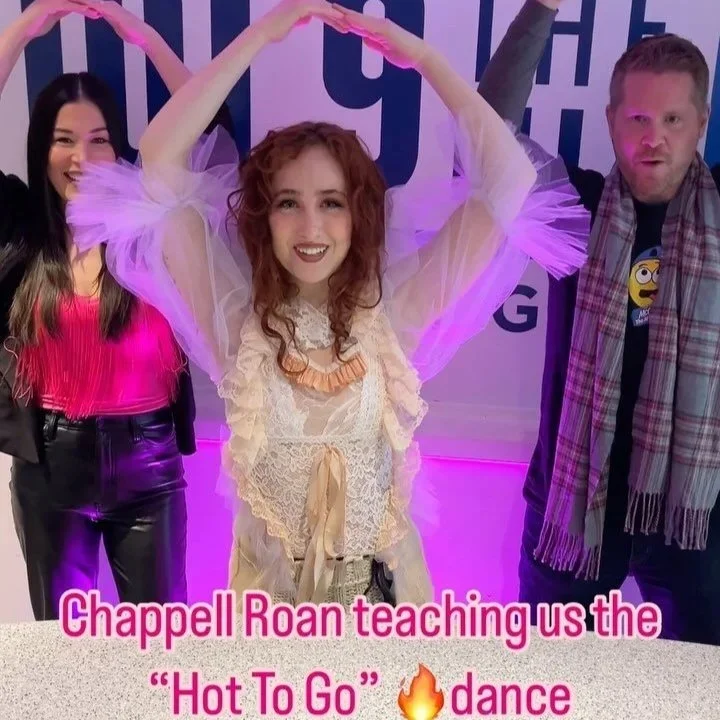
I also make a point to attend several live shows throughout the year- not just the major artists, but a lot of up-and-coming artists as well. There’s so much you can learn by being in the room: observing the demographic, seeing how an artist connects with an audience, and experiencing their talent firsthand. I remember going to see Chappell Roan at the House of Blues in Chicago before I had really heard of her. I was blown away by her talent and her ability to command the room. I remember walking out of that show thinking, “this girl is destined to be a star.” Those are the moments I’m always looking for.
The way people discover music has changed dramatically, with streaming, algorithms and social media playing such a huge role. From your seat in radio, what do you think is getting lost in the way artists are discovered today, and what do you think radio still does uniquely well?
Streaming algorithms are great at identifying patterns in what people are already listening to, but that can also mean they’re primarily serving people more of what they already like. I think social media can also be misleading at times because influencers can be paid to use songs on TikTok, which creates the perception that a song is organically trending when there may be other factors behind that. Not only that, but with social media I think we can sometimes lose the artist in the process if the focus is the catchy 15-second clip rather than the artist, their story, or their music as a whole.
Radio can still play an important role in introducing people to something they might not have searched for or clicked on themselves. I also think radio provides a human connection and creates a shared experience around music. When a song breaks through on the radio, it can feel like a community is discovering it together.
When you look at everything you've accomplished so far, what are you most proud of that might not necessarily show up on your résumé?
Essentially, starting over. When I first was approached about working at WTMX, I wasn’t looking for a new job. My husband and I had just bought a house in Cedar Rapids and were planning on settling down there. I could have continued building a successful career at KZIA, but I’m proud that I was willing to challenge myself and move to Chicago. I ultimately chose to give up my seniority, my comfort zone, and what could have been a great future in Cedar Rapids to start over in a new market with a new company. I was willing to bet on myself and invest in my own growth rather than simply stay on the path that was already laid out for me. It was one of the most important decisions I’ve made professionally.
You've spent your career helping other people tell stories, connect with audiences, and feel less alone on the other side of the radio. What has your own career taught you about the kind of person you want to be, beyond the titles and accomplishments?
My career has taught me that sometimes your greatest strengths are revealed by how others perceive you, not necessarily by how you perceive yourself. I always thought that I wanted to be “the star” but that perspective has shifted since getting my start in programming. Throughout my career, my bosses and peers saw leadership qualities in me that eventually led me toward becoming a Program Director. They pointed out that while there are many talented female on-air personalities, there are far fewer women in programming, and they believed I had what it took to become a great programmer.
That really changed the way I viewed success. I used to measure my success by the number of accolades or titles I had, but I’ve learned that it’s more about the impact you leave behind. I realized that, for me, it’s even more rewarding to help other people achieve their dreams and be part of their journey than it is to simply pursue my own spotlight. I’ve found that I want to be someone who lifts others up, creates opportunities, and helps them become their best. The titles and accomplishments are meaningful, but being able to make a difference means so much more.